
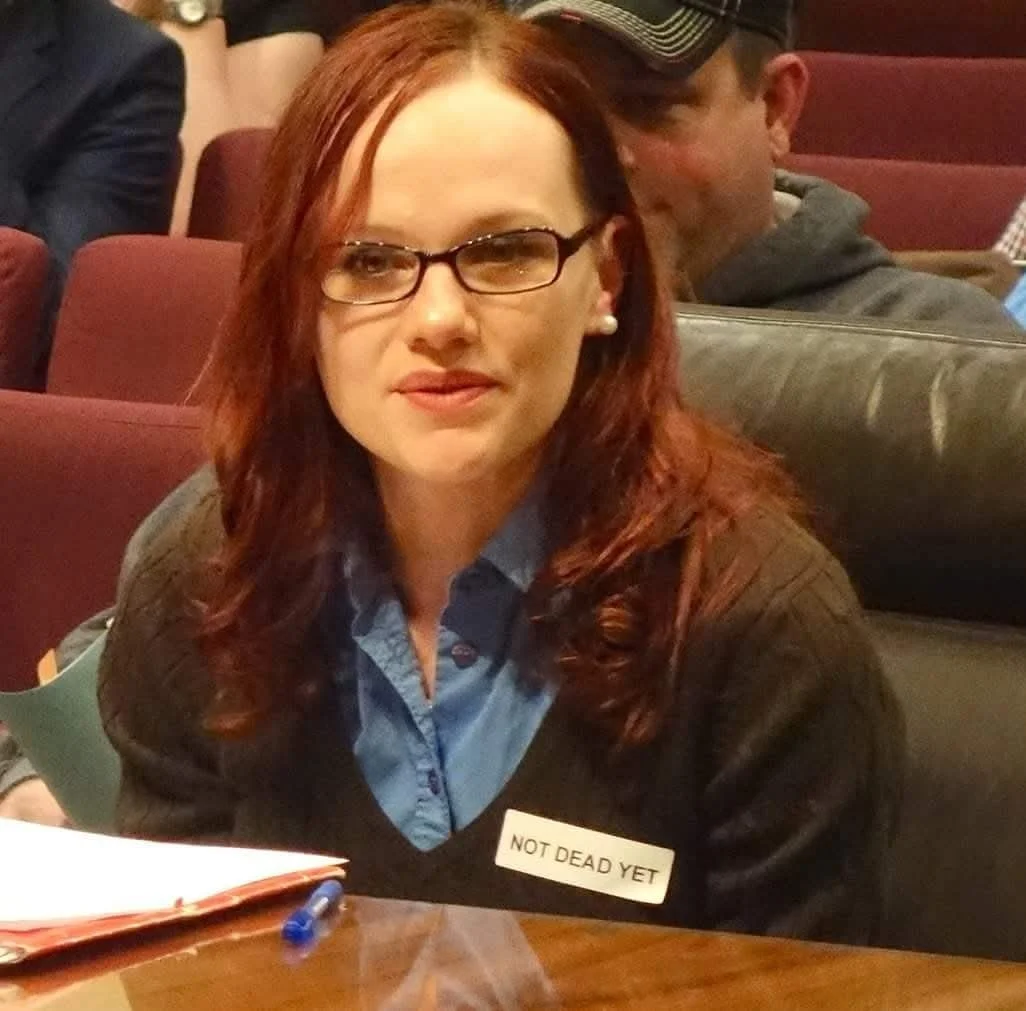
Get to Know Audrey’s story
Nebraska For Us storyteller shares how, after a lifetime of working and paying into the system, she now faces financial hardship and impossible choices just to afford the care she needs to live at home with muscular dystrophy.
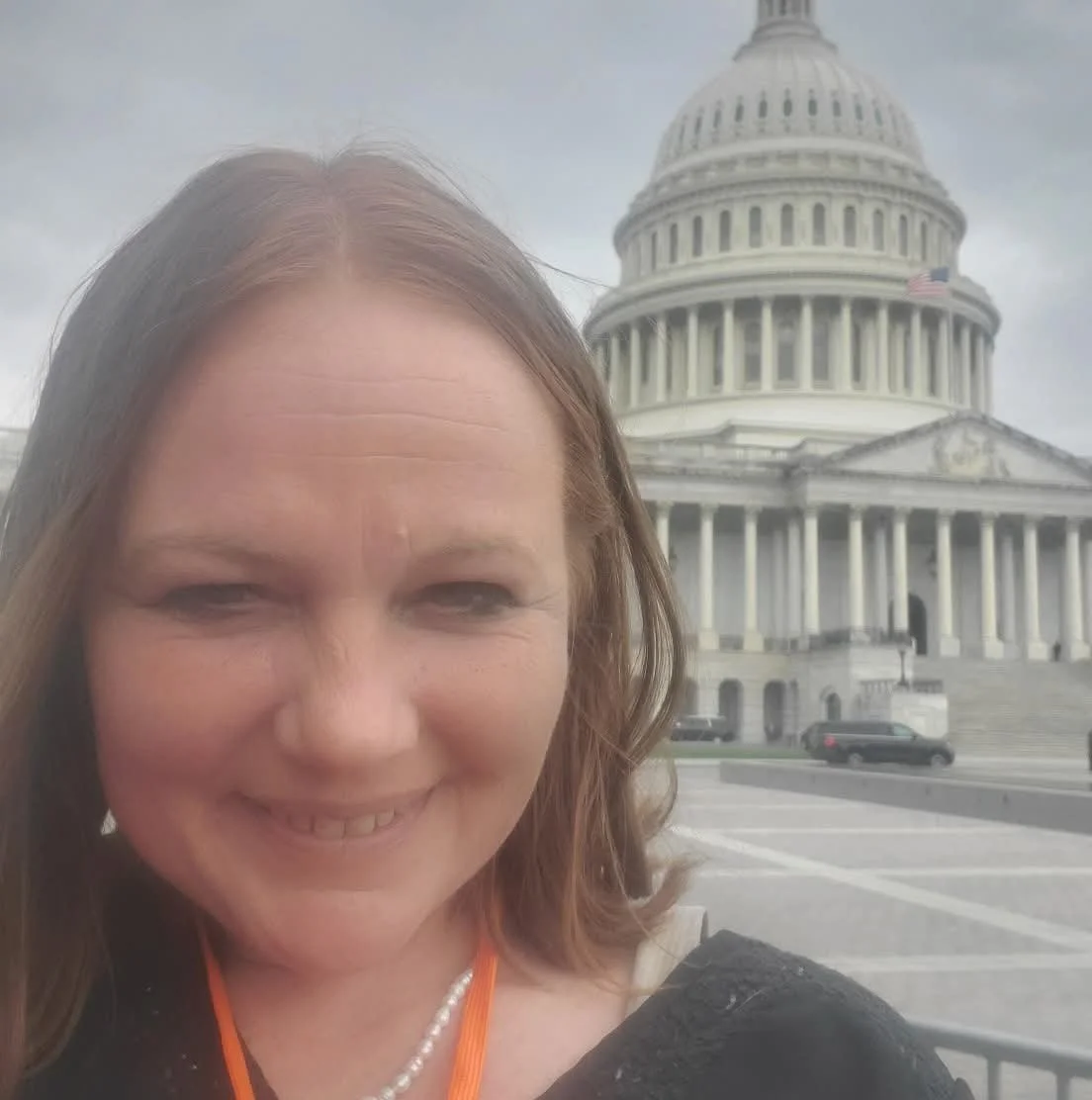

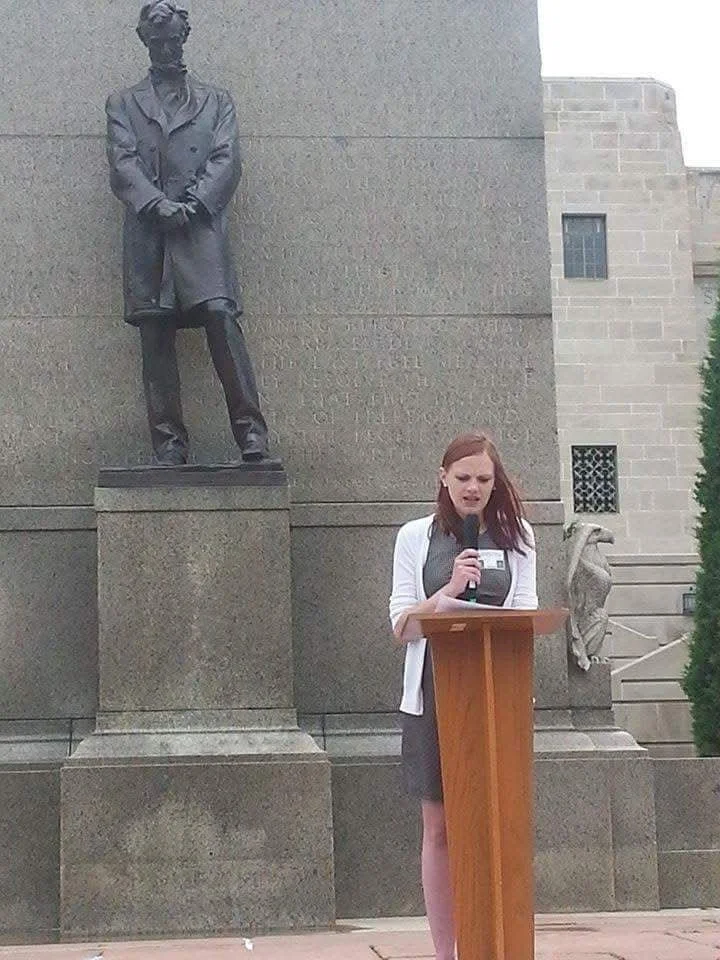

Melissa, along with two of her six siblings, was born with muscular dystrophy in Iowa. She has a story to share.
Melissa has called Omaha home for the past three decades. After she earned a bachelor's degree, she worked full-time for 15 years as a business analyst at the same company.
“I enjoyed the work and was satisfied with financial independence,” said Melissa. “I was also proud of the quality work I performed in all my years of working.”
Around age 38, Melissa stopped working as her muscular dystrophy progressed. Based on her years spent in the workforce, Melissa built a safety net and was able to take care of herself independently—after an unexpected divorce—with Social Security Disability Income.
Two years ago, though, she was hospitalized with serious breathing issues. During her hospitalization, she faced a life-saving decision. For the rest of her life, she will rely on a ventilator and tracheostomy to breathe.
“Having lost both of my siblings with the same genetic condition made me very aware of my own mortality. Ever since my sister chose not to get a trache[otomy] many years ago and then passed away immediately, I knew someday I may need to make that decision,” Melissa said. “However, I was not prepared when the choice was proposed to me as I was turning 50. I was healthy enough to take a week to make the decision,” Melissa said.
What should have been a relatively short hospital stay turned into six long months as Melissa searched for a way to return to her own home, now requiring 24-hour care. Since she did not initially qualify for Medicaid due to her assets and income level, she and her mother together spent nearly $200,000 out of pocket for Melissa’s care at home. After applying and waiting through the process, she was finally approved for Medicaid and the Aged and Disabled Waiver 10 months after leaving the hospital.
“I love life, and I felt I could handle the physical and emotional changes that living on a ventilator would bring. I had no idea the financial impact it would have on my life,” said Melissa.
Even though she has already drained her assets, she continues to face a harsh monthly income limit. Melissa earns too much from Social Security to qualify for Medicaid, but Medicaid is required in order to get home health care.
Due to this circumstance, she must spend down her monthly income to the federal poverty level just to get the help she needs. After she receives her Social Security check, she turns right around to pay more than $2,000 a month to several private health insurance companies, without needing coverage from those policies.
“It angers me greatly that I have to essentially waste two-thirds of my earned income every month just to qualify for Medicaid. As someone who is severely disabled and needs care, I am being forced into poverty simply to get the care I need to live,” Melissa said.
This technicality that allows Melissa to have Medicare and Medicaid leaves her feeling abandoned by the system she paid into, surviving with very little of the income she earned through years of working.
“It’s a silly loophole that allows my income to be at poverty level by spending most of it on private health insurance policies that I will never need since I already have Medicare and Medicaid,” said Melissa. “I think more people should know about this.”
Even with the challenges of living on a fixed income, her total earnings are still too high to qualify for energy assistance and many other forms of support. Plus, her SNAP benefits are very low.
“Most other assistance programs like heating and electricity are based on gross income only. My gross income would allow me to support myself, but my true net income after spending down on insurance brings me to the federal poverty level of $1,330 a month. This makes it very difficult to live. When there is house maintenance that comes up, it’s nearly impossible to afford anything that isn’t my normal monthly bills.” Melissa said.
Melissa has never had to live at the federal poverty level in her adult life until now. She has always been frugal, but now she is regularly unsure whether she can pay her monthly bills.
“I can no longer shop for extra things. I can no longer be generous to people I love or give to any charity. I can’t go out to eat anymore since it would take too much from my limited budget. I try to find free entertainment because I cannot afford anything else.”
After working, paying into the system, and fighting for her life, Melissa just wants the opportunity to keep living with the care and support she needs to stay in her home.