
Food Access & SNAP
When food becomes harder to afford, access matters
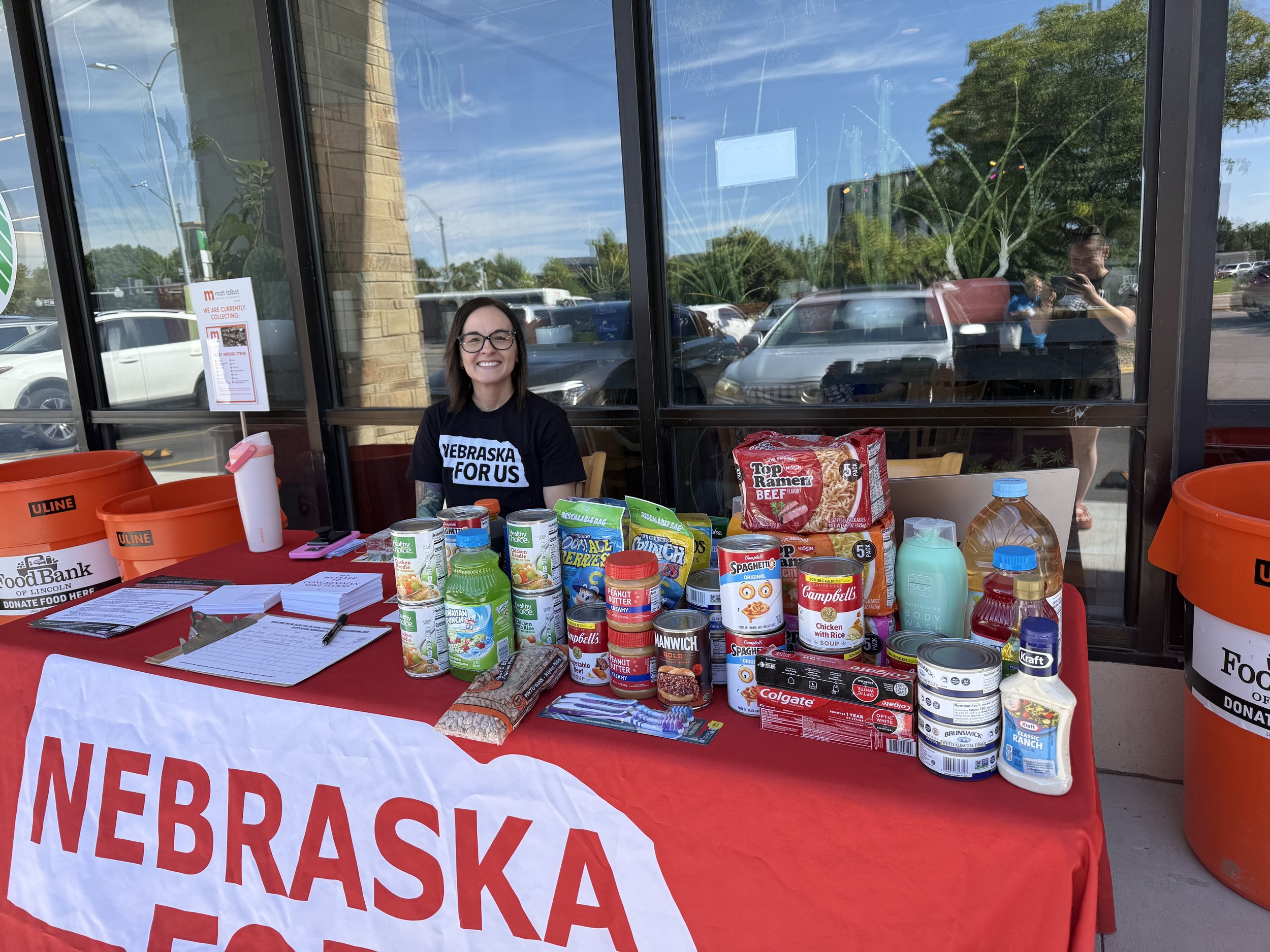
For many Nebraska families, the cost of putting food on the table is one of the largest pressures on the household budget.
The Supplemental Nutrition Assistance Program, commonly known as SNAP, helps eligible households purchase food and is an important part of Nebraska's food-security infrastructure.
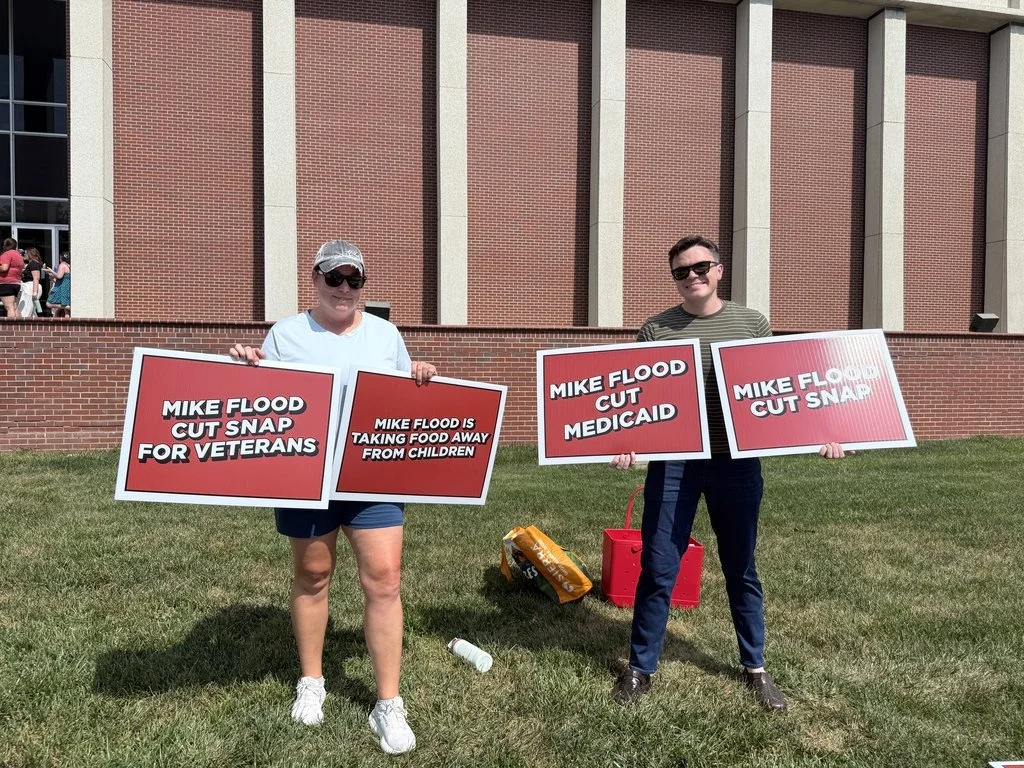
Federal changes to SNAP can affect who qualifies, how benefits are calculated, and how long individuals and families can receive assistance. Recent federal legislation made significant changes to SNAP, including changes to eligibility and program administration.
These changes come at a time when many households continue to experience high grocery costs.

SNAP benefits are spent in local communities. Families use their benefits at grocery stores, supermarkets, farmers markets, and other authorized retailers across Nebraska.
That means changes to SNAP can have effects beyond the household receiving benefits. Reductions in food assistance can increase demand for food pantries and other charitable organizations while also reducing purchasing power in local communities.
SNAP supports more than individual households
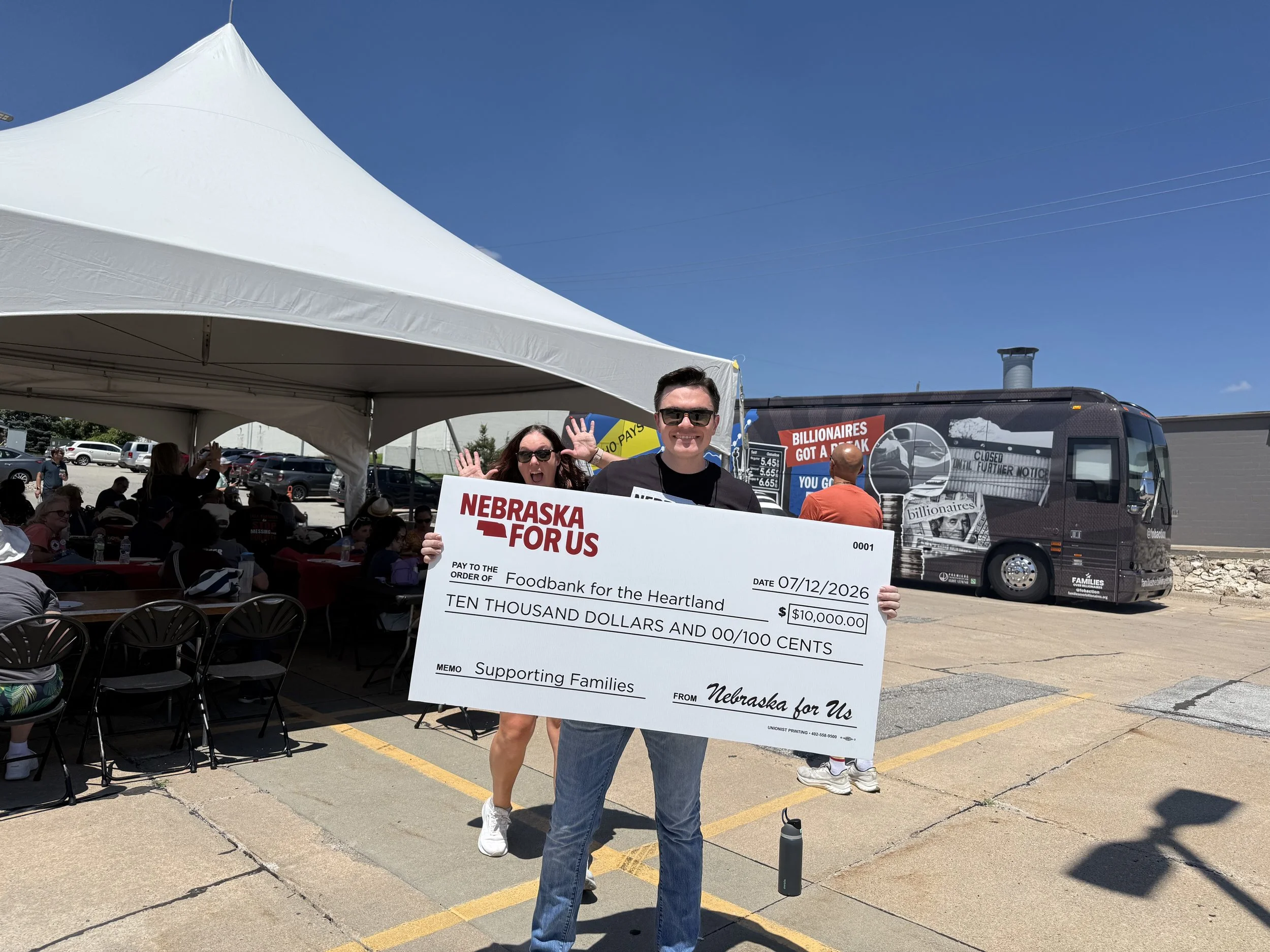
Nebraska For Us works to provide clear information about changes to SNAP and food-access policies and to elevate the experiences of Nebraskans and organizations working to address food insecurity.
Understanding the "One Big Beautiful Bill"
The federal legislation commonly referred to as the "One Big Beautiful Bill" included significant changes to both health care and food assistance programs.
The legislation reduced projected federal spending on Medicaid and SNAP while also making significant changes to federal tax policy.
Understanding these policies requires looking at both sides of the equation: what federal policies provide in tax benefits and what changes to programs and services mean for families and communities.
Nebraska For Us examines these policy decisions through the lens of their economic impact on Nebraska households.