
We are elevating the voices of Nebraskans and telling the stories of our families, friends, and neighbors who want a brighter future for their families and communities.
Your story is your power. Share your story with us.
Meet our Storytellers
-
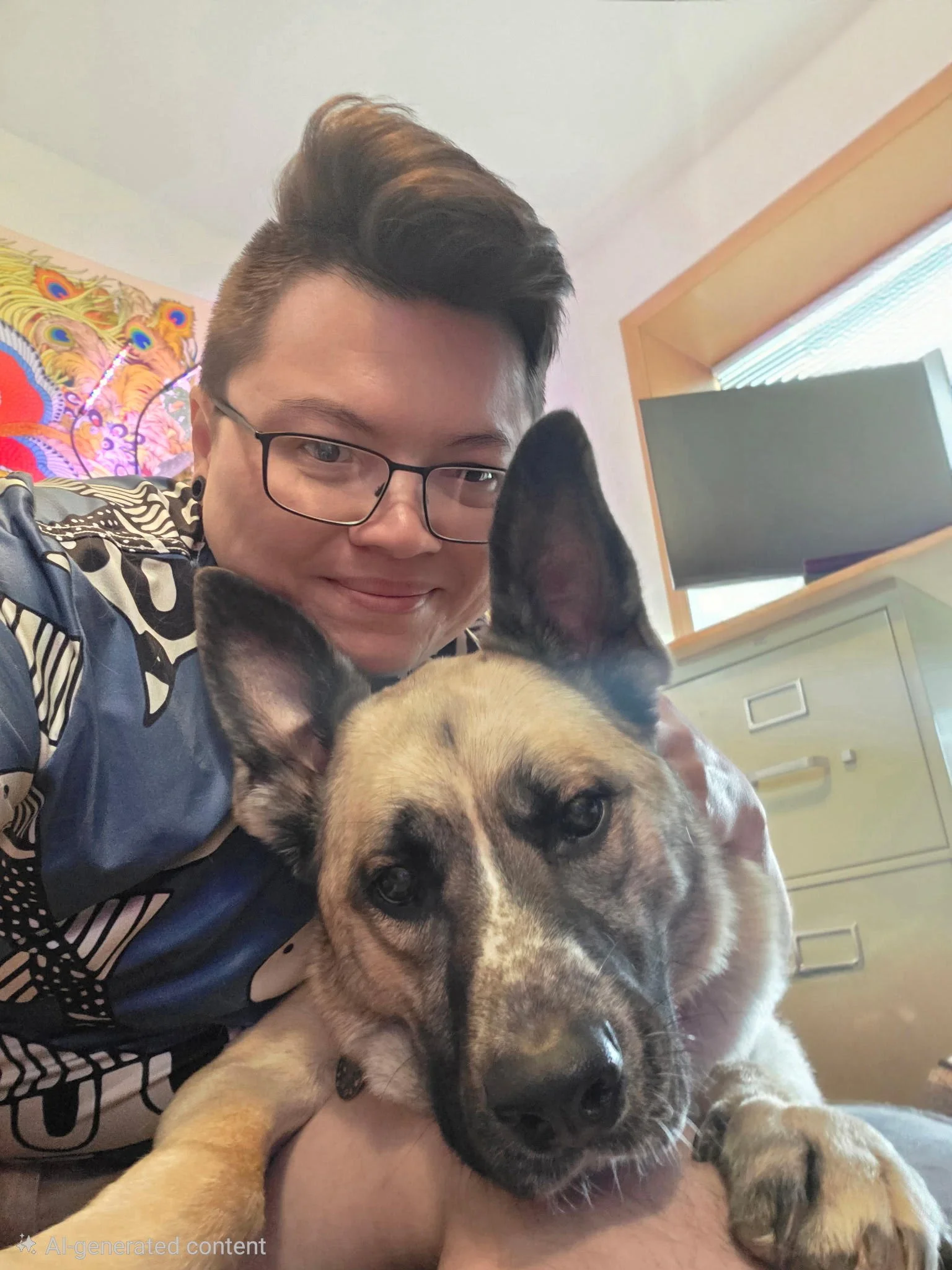
Alexander
Alexander Liu is a UNO student completing the final year of his undergraduate program before they attend law school. As an intersectional minority himself, Alexander is fiercely dedicated to advocating for the civil rights of marginalized communities. He holds leadership positions in various caucuses and committees within the Nebraska Democratic Party and, as one of the active core members, is also involved in many Omaha DSA Workgroups. Without the support of Medicaid and Medicare, doctors wouldn’t have found his brain tumor, and it would have killed him. Without social safety net programs, he wouldn’t have been able to afford the surgery to treat it, either, or pay for basic necessities—like food for his service dog, Keigo, who performs life-saving medical alert tasks for him.
-
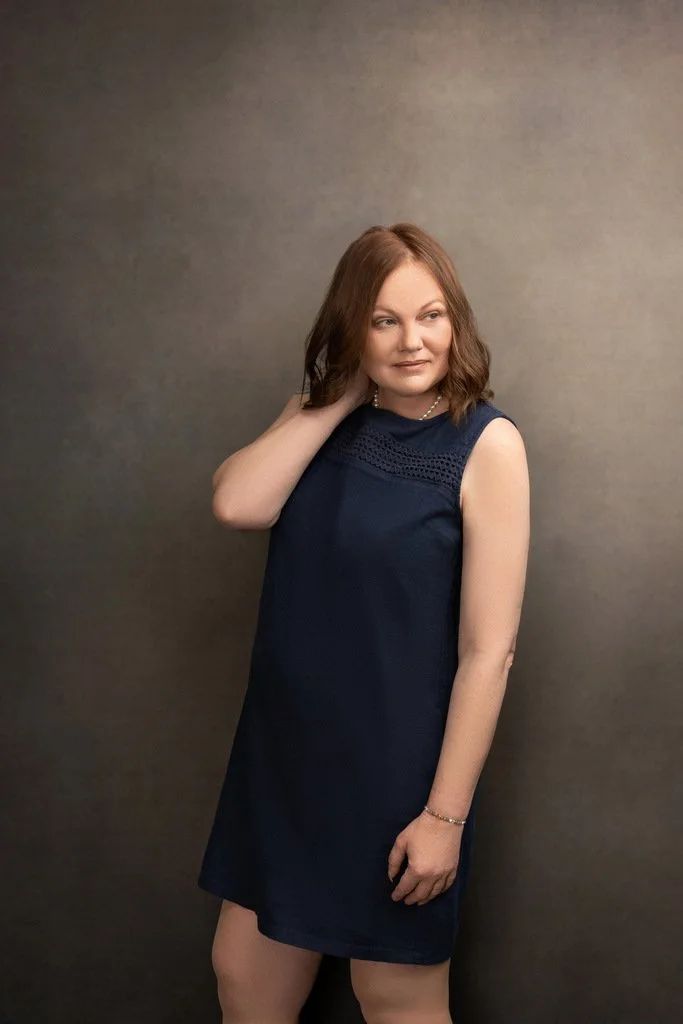
Amanda
Amanda is a community advocate from Lincoln, Nebraska, and a co-sponsor of the state’s Medicaid expansion campaign. After experiencing a heart attack in her 20s, Amanda continues to navigate complex medical issues and relies on a gluten-free diet to manage her health. Medicaid and SNAP help her access the health care and nutrition she needs, but cuts to these essential benefits this year have made it harder to get the support she depends on.
Drawing on her own experiences navigating Nebraska DHHS’s complicated documentation processes, Amanda helps her family and neighbors understand the system and access the resources they need. She also helps neighbors access food pantries without shame, believing everyone deserves access to food and health care with dignity. Through sharing her story, Amanda continues to advocate for Nebraskans and raise awareness of how changes to essential programs affect people in her community.
-
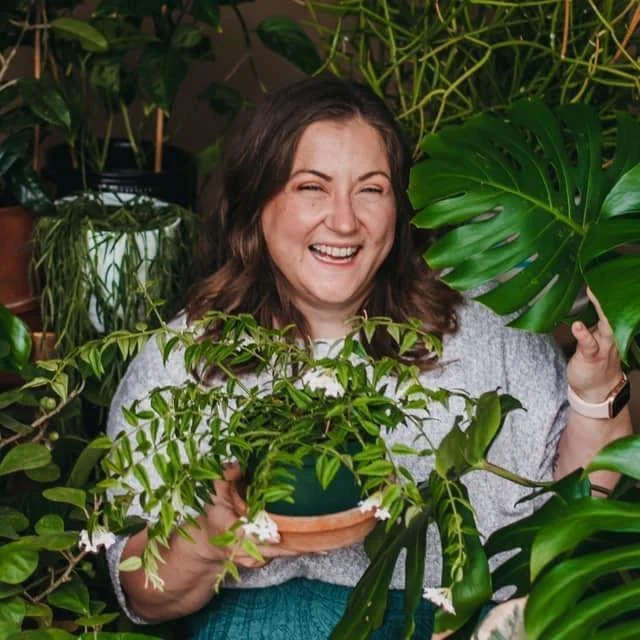
Amelia
Amelia Rosser is the owner and operator of Sheelytown Market, a neighborhood plant shop and community market in Omaha, Nebraska. Through Sheelytown, Amelia has built a business centered on accessibility, sustainability, and genuine community connection while navigating the realities facing modern small business owners.
With experience managing rising operating costs, shifting consumer habits, supply chain volatility, inflation, and increasing interest rates, Amelia brings a grounded, real-world perspective to conversations about entrepreneurship and economic resilience. Her work sits at the intersection of retail, service, events, and community development, giving her firsthand insight into how national economic trends directly impact local businesses and working families.
Amelia’s approach to business is deeply practical and people-centered. She is known for speaking candidly about burnout, financial pressure, adaptive leadership, and the constant balancing act required to sustain both a business and a personal life in today’s economy.
Through Sheelytown Market, Amelia continues to advocate for community-rooted commerce, creative problem solving, and building businesses that prioritize both sustainability and human connection.
-

A.T.
A.T. has been guardian for their disabled adult brother, Stephen, for twenty years and has served as the Chief Diversity Officer at UNO and Professor of History and Professor of Communication, Fine Arts, and Media. They are currently part of the leadership of OutNebraska and lives near downtown Omaha in Little Italy. They are active in the arts and perform as a poet and musician, while also enjoying the outdoors. With husband, Craig, they were plaintiffs in the ACLU lawsuit for partner benefits in the state of Michigan and have been together over 25 years. Stephen's care would cost at least five figures monthly but for the support of medicare and medicaid along with social security disability and SNAP benefits, and resides in a supported living situation.
-

Audrey
Audrey is a proud South Omaha native, Omaha South High School graduate, and University of Nebraska at Omaha alumna. She spent more than 30 years working in the financial services and credit card industry before retiring seven years ago to dedicate her time to volunteering and giving back to her community. Today, she and her husband rely on Affordable Care Act coverage, as he works as a superintendent for a small general contractor without health insurance through his employer. With her husband managing several pre-existing health conditions, she understands firsthand the importance of affordable, accessible health care. Their ACA insurance has gone up $680, adding to the cost of keeping her husband covered and healthy. All six of Audrey’s grandchildren are also on Medicaid, and two of them have already lost their coverage.
-

Becky
I am a cattle rancher whose family's business was born from the Homestead Act and have been in business since 1888. The ACA brought us slightly higher healthcare insurance premiums, but much more comprehensive coverage. Starting after ACA was enacted, we would change our plan and our utilized subsidy about every year according to cattle prices and whether we anticipated big medical procedures in the coming year. We always qualified for a subsidy. It helped when years were lean and we would either go with high premium, low out-of-pocket or vice-versa. This year our premiums jumped a thousand dollars a month with the plan we chose.
I am a member of the (Dept. of Agriculture) appointed CBB. (Cattlemen's Beef Board) and a former FSA State Committee member (under Biden). I am also a former 20 year member of a union under the Railway Labor Act, and I carry a Nebraska and Colorado Teachers Cert.
-

Brooke
I have been sick for as long as I remember. When I turned 14, my nervous system began to shut down—first paralyzing my stomach, then allowing me to become malnourished, even when eating. When I turned 16, I had a stroke-like event, forcing me to use a walker. Further diseases piled on: liver disease, cyclic vomiting syndrome, chronic migraines and ulcers, PCOS, Pots, autonomic and peripheral neuropathy, macular edema, and papillary thyroid carcinoma as of this year. Hospital visits were frequent as we tried to discover what was going on, and I had the fear of a life consumed by medical debt that I could never hope to pay off.
I am very thankful to be eligible for a low income program through my hospital that allows me to get these expensive treatments that are not covered. Regardless of its problems, mostly due to underfunding, I am incredibly lucky to be on Medicaid.
-
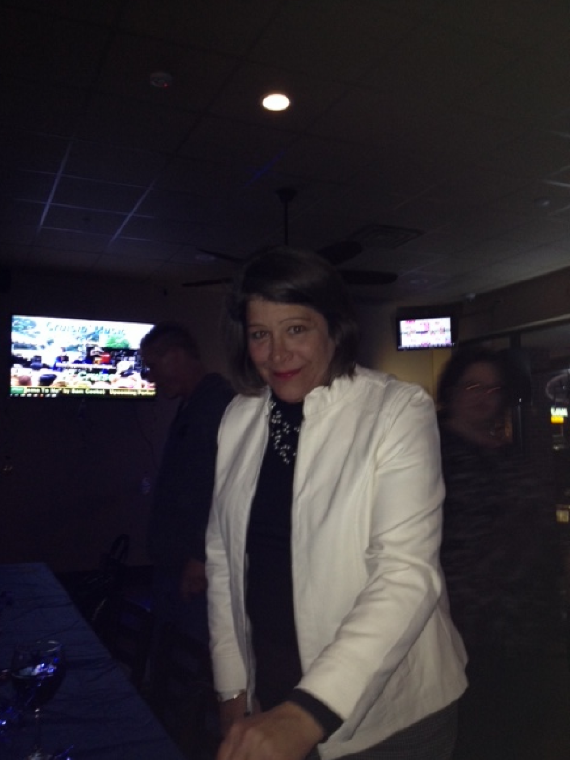
Chris
Chris is a Papillion resident who has spent more than 30 years building small nonprofits and advocating for Nebraskans, including through her work with Nebraskans for Alternatives to the Death Penalty. With a degree in education, she has also worked in social services supporting caregivers and people with disabilities.
Chris was married for 36 years to a Marine who served in Desert Storm. After his service, he became a claims adjuster, setting aside his creative dreams to provide health insurance for their family. Despite their work, Chris recalls feeling like they were always one paycheck away from homelessness. After losing her job following her husband's passing, Chris has gone five years without health insurance. Today, she lives on Social Security and worries about whether it will be there in the years ahead. As she approaches Medicare eligibility at 65, she hopes the program will still be there when she needs it. After decades of helping others to access health care and economic stability, Chris is learning the challenges in helping ourselves.
-
Erika
Erika is a Fremont small business owner and mother of two who grew up in North Platte, Nebraska, in a family that experienced generations of poverty. For the past six years, she has operated her own business providing Reiki, somatic healing, and life coaching while pursuing an associate degree in liberal arts at Metropolitan Community College. She hopes to become a therapist.
As a working mother and Medicaid recipient, Erika and her children rely on Medicaid, and she has experienced the rollercoaster of gaining and losing access to benefits as her income changes. Before becoming a business owner, she worked early in her career at the DHHS call center for economic assistance in Fremont, giving her firsthand insight into the challenges and power imbalances families face when navigating public benefits. Today, rising living costs continue to affect her family, with utilities doubling to $400–$500 a month. Through her experiences as a mother, entrepreneur, and Medicaid recipient, she hopes to bring attention to the challenges Nebraskans face while working toward financial stability.
-
John
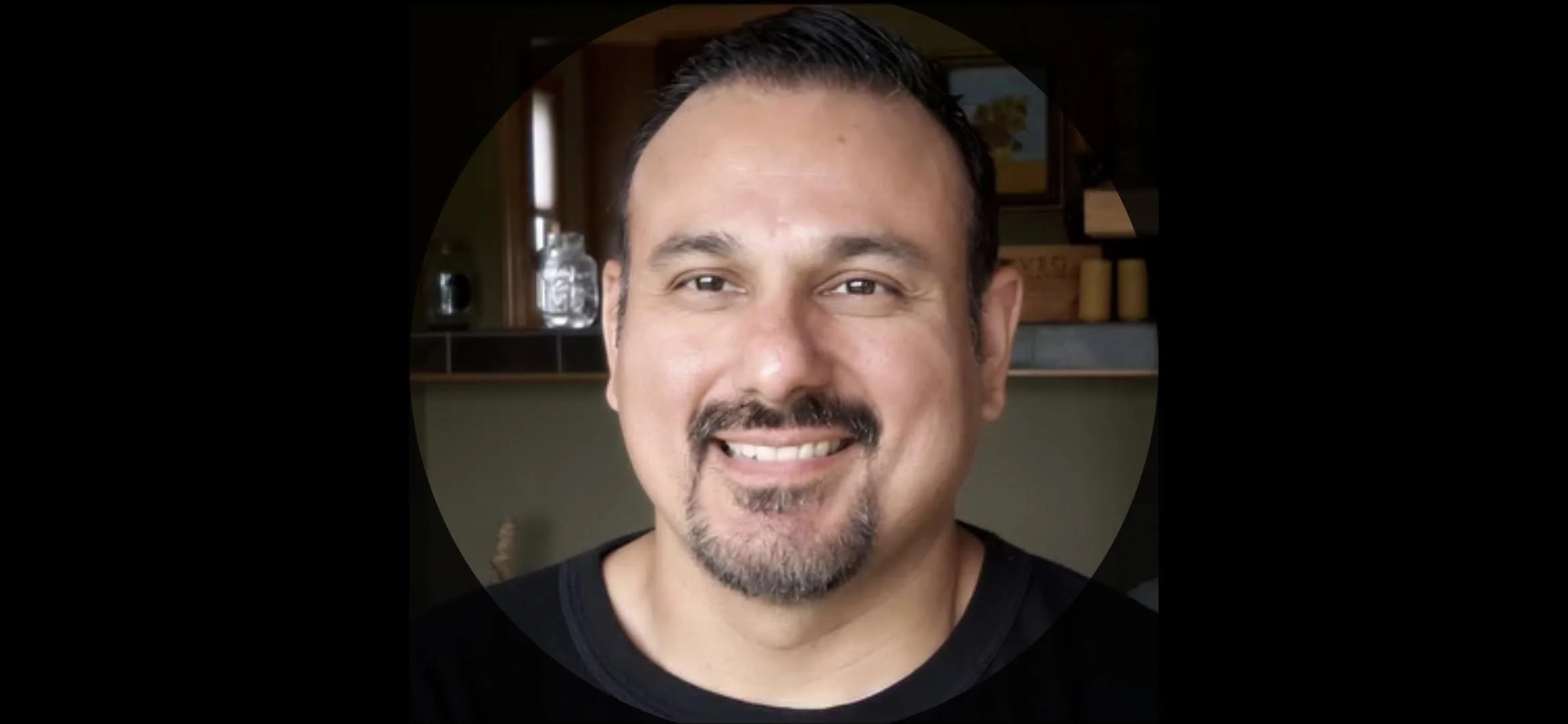
John grew up in Texas in a family with roots in Mexico and has spent much of his career serving his community in Nebraska. He began studying nursing at Clarkson College before transitioning to criminal justice at the University of Nebraska at Omaha, and went on to work for the Douglas County Department of Corrections and in Community Corrections, where he focused on job readiness. John retired two and a half years ago and was able to do so at age 50, but rising health care costs made it difficult to stay retired when insurance through his pension cost $1,200 a month. John voted for President Trump in 2016, 2020, and 2024, but says the rising cost of living is not what he expected when he cast those votes. He is now concerned about cuts to programs like Medicare, Medicaid, and Social Security and what they mean for Nebraskans, including his 18-year-old son, who already worries that the American Dream will not be attainable for his generation. John’s faith has always shaped how he thinks about helping others, and as he watches essential support disappear for people who need it, he keeps coming back to a question that feels increasingly important to him: “What would Jesus do? Would he be eliminating help for the poor?”
-

Kate
Kate studied Commercial Art at Southeast Community College and has lived in many places over the years, including nearly seven years in Germany, which remains her favorite. While living there, she traveled throughout Europe and met people from many different backgrounds and parts of the world. She believes those experiences gave her a wider view of the world and helped her remain open minded.
Now retired, Kate and her husband live on a fixed income, and the cost of health care can create a lot of stress. Their health insurance premiums are $1,600 a month, and seeing a specialist can cost $500. Even when something is medically necessary, Kate often has to stop and think about whether they can afford it. Hearing aids she would like to get would cost around $4,000. When her hemoglobin is low, getting iron is critical, but an IV infusion can cost $1,500 to $2,000.
Kate believes life is hard enough on a good day and that people should not have to face those challenges alone. Her experiences have taught her that life is not a competition or a race, and that we all have a responsibility to help each other live our best lives.
-
Kathy
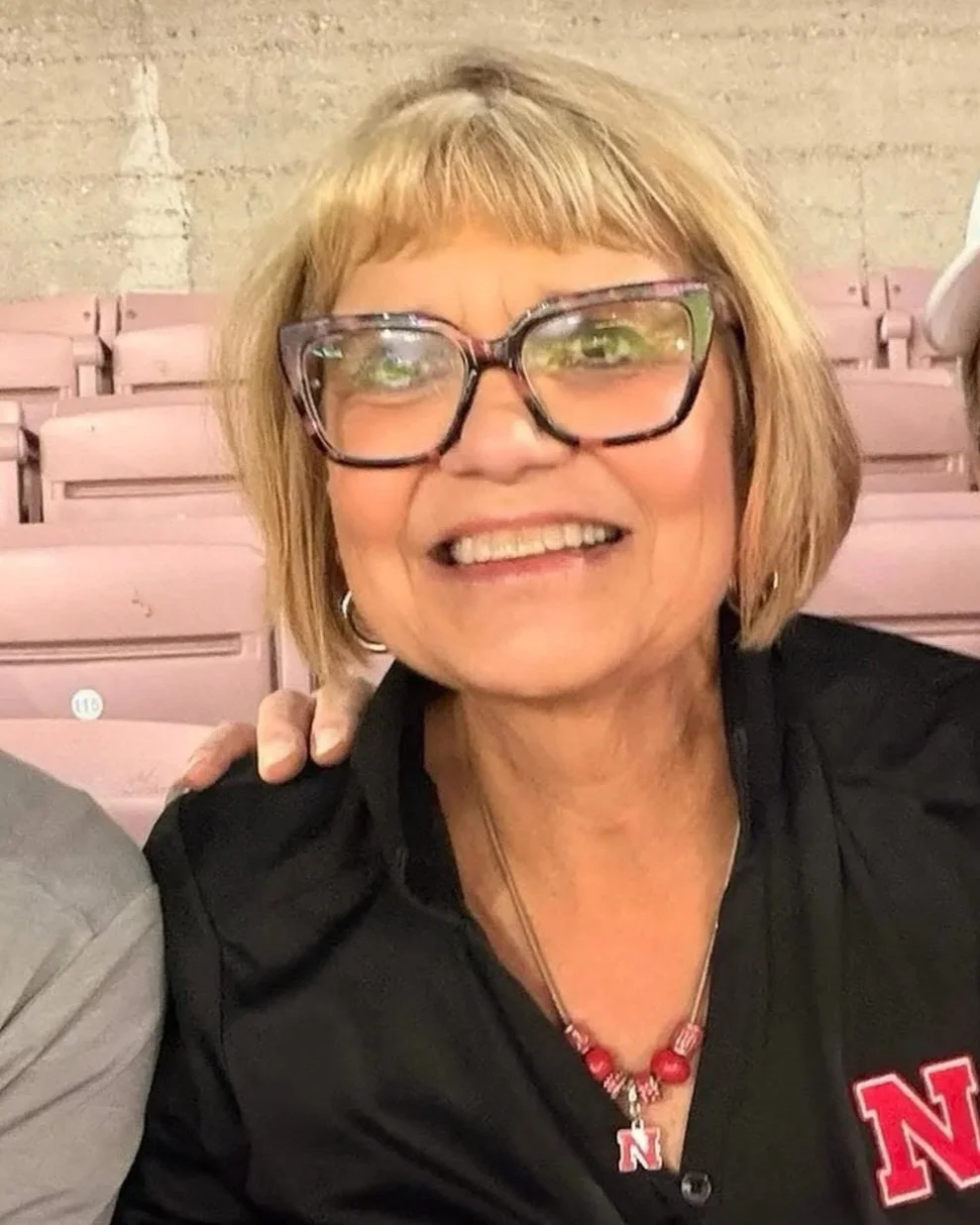
Kathy is a Fremont resident who spent her career in nutrition education, community service, and public health before retiring from Nebraska Extension in 2019. She began working as a WIC nutritionist in 1990 and spent 22 years in the program, eventually serving as a WIC director and president of the Nebraska WIC Directors Association. She worked to expand nutrition services in communities with limited access to them and helped build and expand the SNAP education program in Dodge, Saunders, and Washington Counties to record participation.Kathy’s work in WIC was shaped by personal experience when her first son was born with a milk and soy protein intolerance and needed specialized formula that cost $100 a box.
Throughout her career, she worked to support families, including eight years in public health focused on environmental health investigations. She also helped establish H1N1 vaccination clinics in Dodge, Saunders, and Washington Counties with Three Rivers Public Health Department.
Kathy’s commitment to serving her community extends beyond her professional work. In 2019, she was recognized as a Disaster Volunteer Honoree by ServeNebraska and Governor Ricketts for her service following the Fremont flood. A grandmother of five with family ties to military service and Nebraska agriculture, Kathy brings both professional and personal experience to conversations about the programs Nebraska families rely on.
-

Melinda
My name is Melinda, but I go by Mindy; I'm 50 years old. I am married, and I have two grown adult children that are living with us to help with costs. Right now, my biggest concerns are my medical issues, and without health care subsidies, I'm screwed. I have two surgeries I have been trying to schedule for years, and now it will be harder. I am a survivor of sexual, mental, and physical abuse as well as domestic violence, and I'm still trying to heal.
-
Melissa
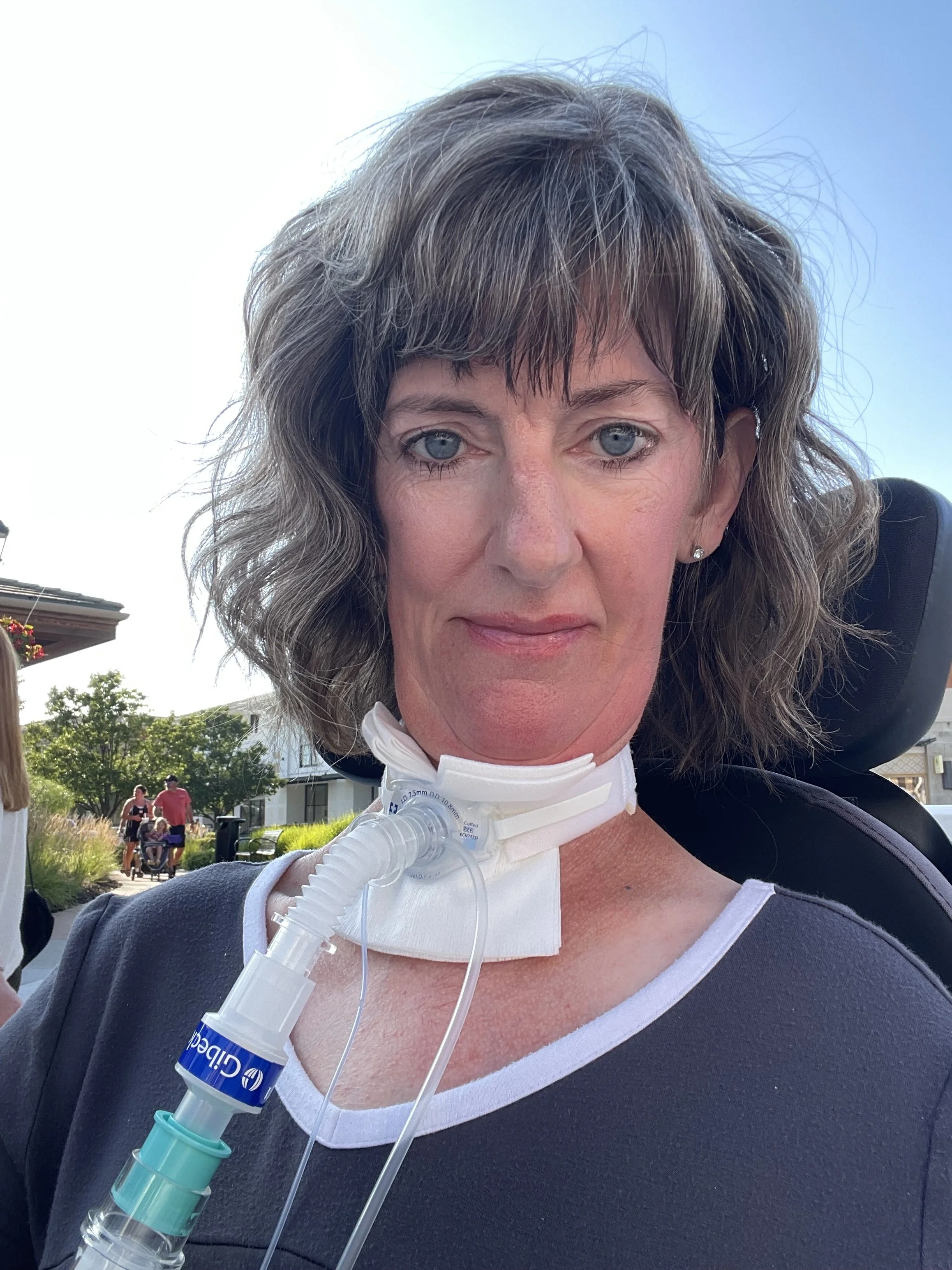
Melissa, along with two of her siblings, was born with muscular dystrophy in Iowa, and she has called Omaha home for the past 30 years. She earned a college degree, worked full time for 15 years and was proud to support herself. She eventually became unable to work as her condition progressed, but was able to receive Social Security based on her years in the workforce. Two years ago, she was hospitalized with serious breathing issues and faced the life saving decision to rely on a ventilator and tracheostomy to breathe. Both of Melissa’s siblings who lived with muscular dystrophy had since passed away, making her decision to keep fighting for her own life all the more powerful.
She requires 24-hour care to remain safely at home, but because she did not initially qualify for Medicaid, Melissa and her mother spent $200,000 out of pocket on her care before she was finally approved. Even after getting coverage, Melissa has struggled to get the services she needs through her A&D waiver, including reliable caregiver support and basic services like lawn care, while navigating a complicated system that has often left her feeling on her own. Another hurdle she faces each month is that Melissa earns too much from Social Security to qualify for Medicaid, which creates significant obstacles to getting the coverage she needs for her care. To qualify, she must spend down her monthly income to the federal poverty level by paying more than $2,000 to a private health insurance company, without receiving benefits from that coverage in return. That leaves her with very little of the income to live on that she earned through years of working. At the same time, her income is still too high to qualify for energy assistance and many other forms of support, and her SNAP benefit is very low.
After spending her life working, paying into the system, and making the choice to fight for her life, Melissa wants the opportunity to keep living with the care and support she needs to stay in her home.
-

Rene
I am a 2nd Year Low Voltage Instructor with Lincoln Electrical JATC. I am also IBEW 265 Registrar and Executive Board Member, as well as Lincoln DSA Steering Committee Member. Bass playing Lincolnite for 24 years, originally from Hobbs, NM.
-

Victoria
Victoria Mbachu is a retired U.S. Army officer and Owner of Parking Area Maintenance, a commercial asphalt, concrete, and pavement maintenance company serving Nebraska and Iowa. Since acquiring the business, she has expanded operations, created quality jobs, and strengthened local infrastructure. Victoria believes small businesses are the backbone of economic opportunity and is committed to building pathways for growth in Nebraska.
-
![]()
Families in Nebraska say state is taking away vital Medicaid funds from disabled people
-
![]()
Serving Time Should Mean the Sentence Ends: Why Nebraska Must Restore Access to Basic Food Assistance
-
![]()
A Veteran Failed By the Country She Served
-
![]()
Working Through The Pain
-
![]()
A sister’s fear over federal funding for cancer research



Stories making headlines


