
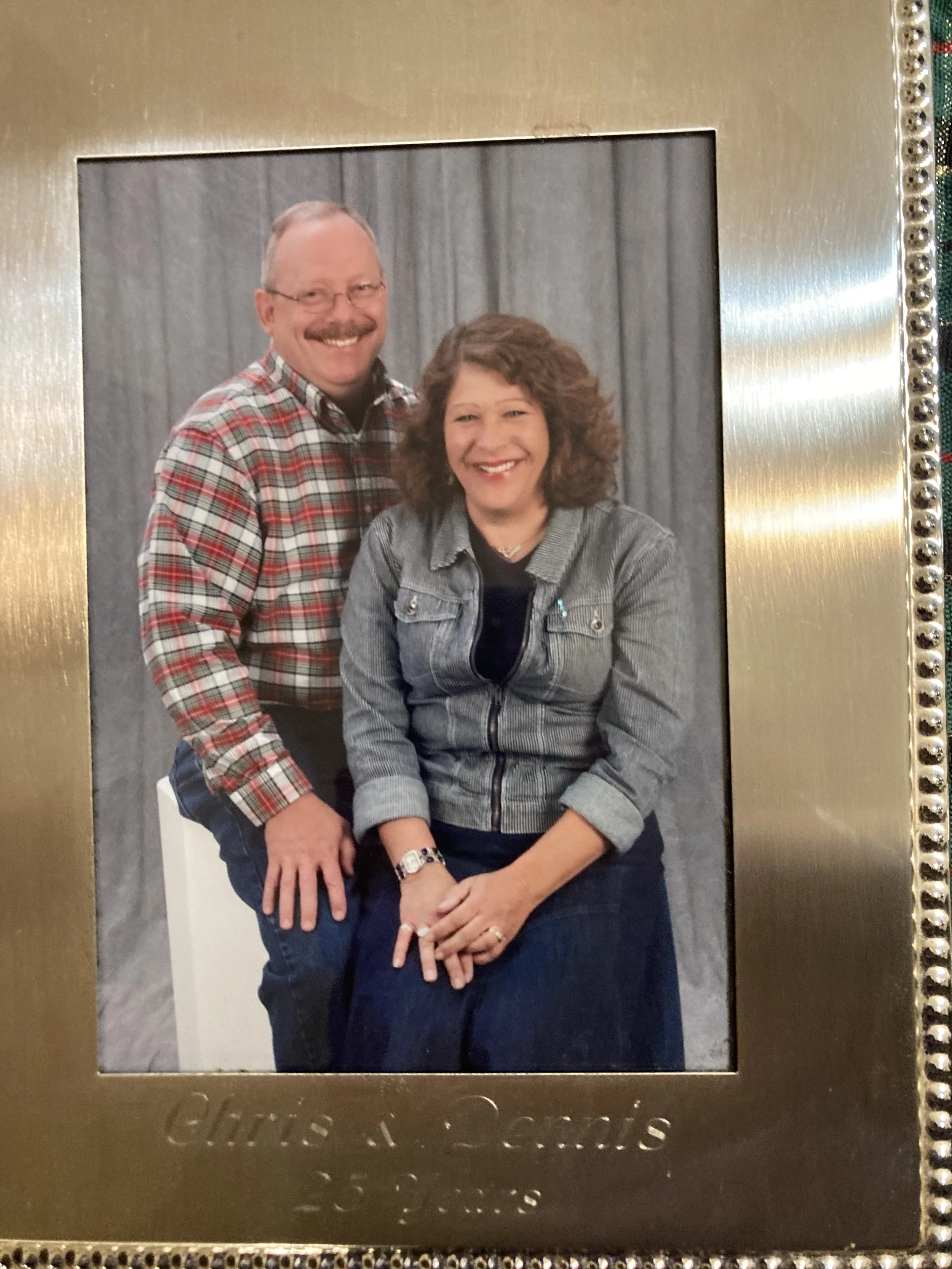
Get to Know Chris’ story
Nebraska For Us storyteller Chris reflects on losing her husband, going without health insurance, and worrying about the future her children can afford.
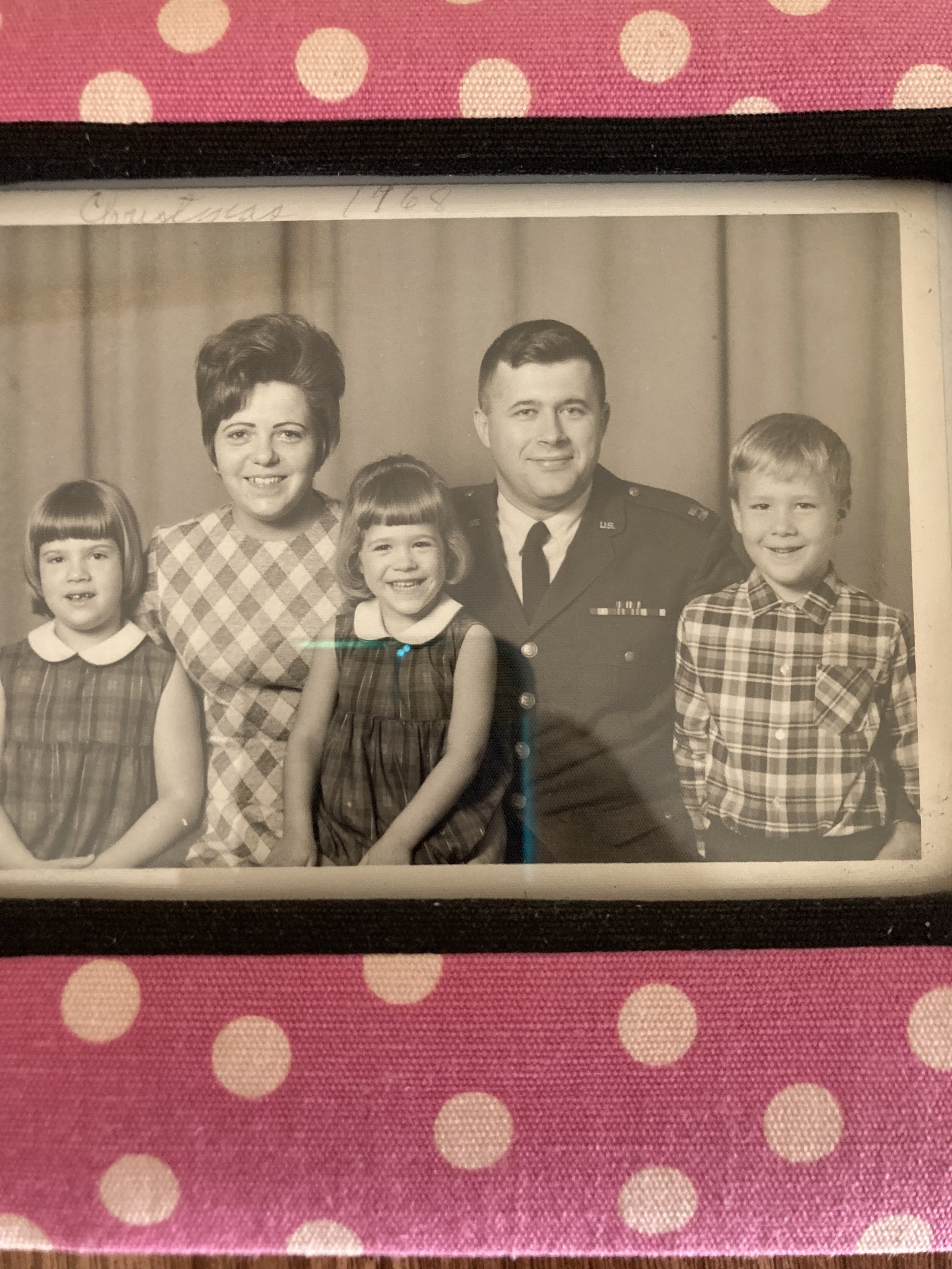
Chris and her family in 1970.
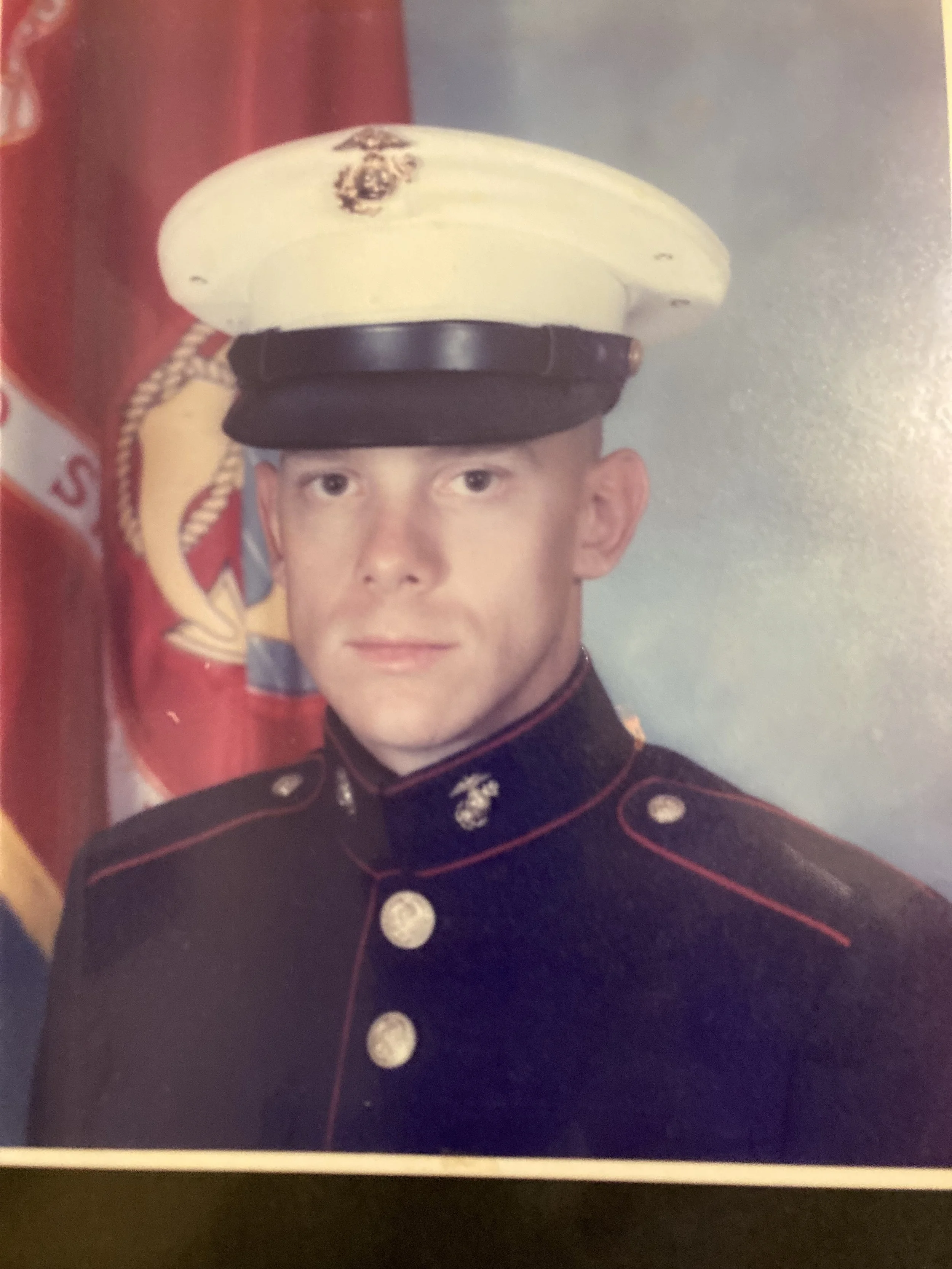
Denny in the Marines in 1984.
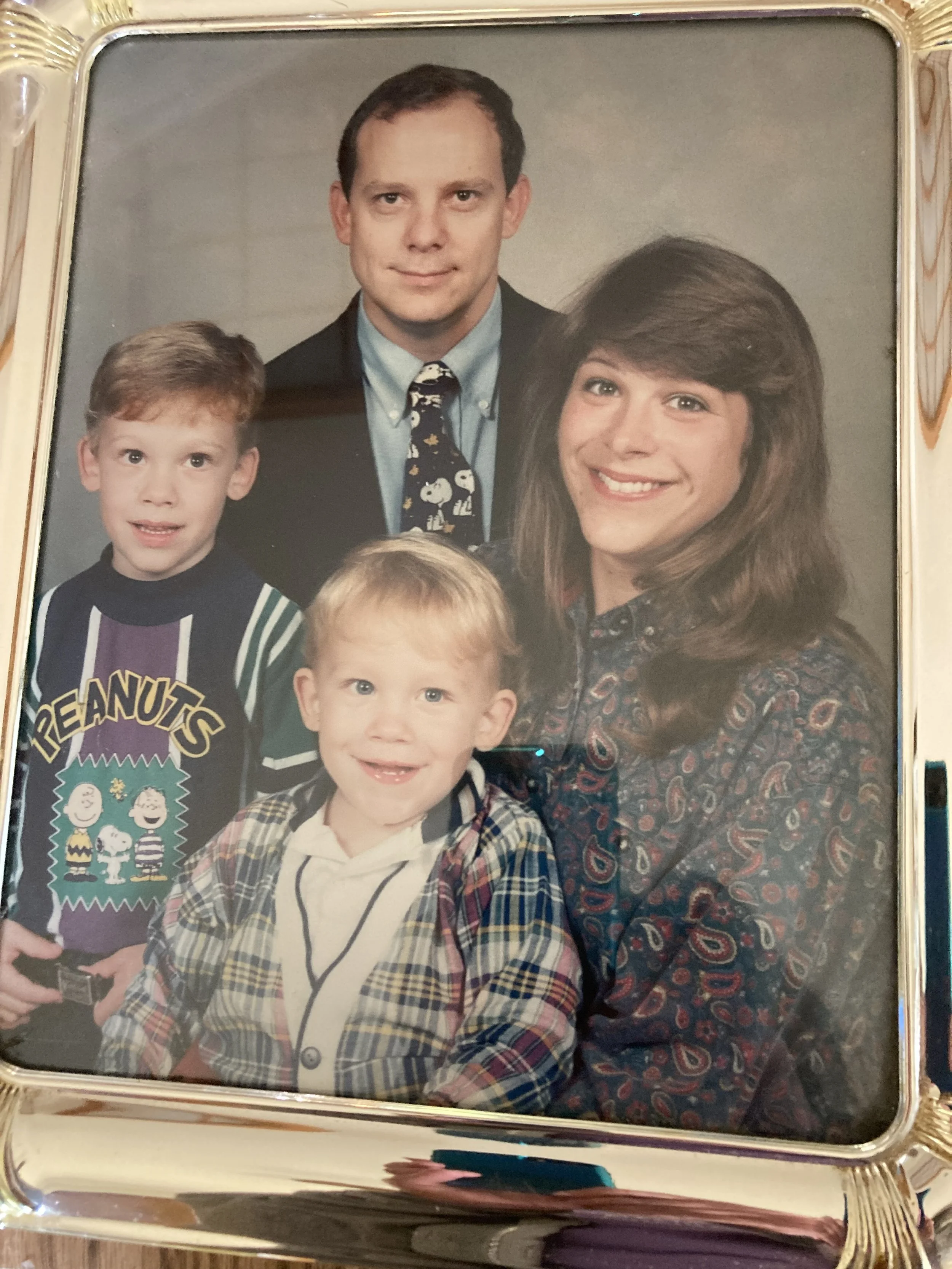
Chris and her family in the 1990s.
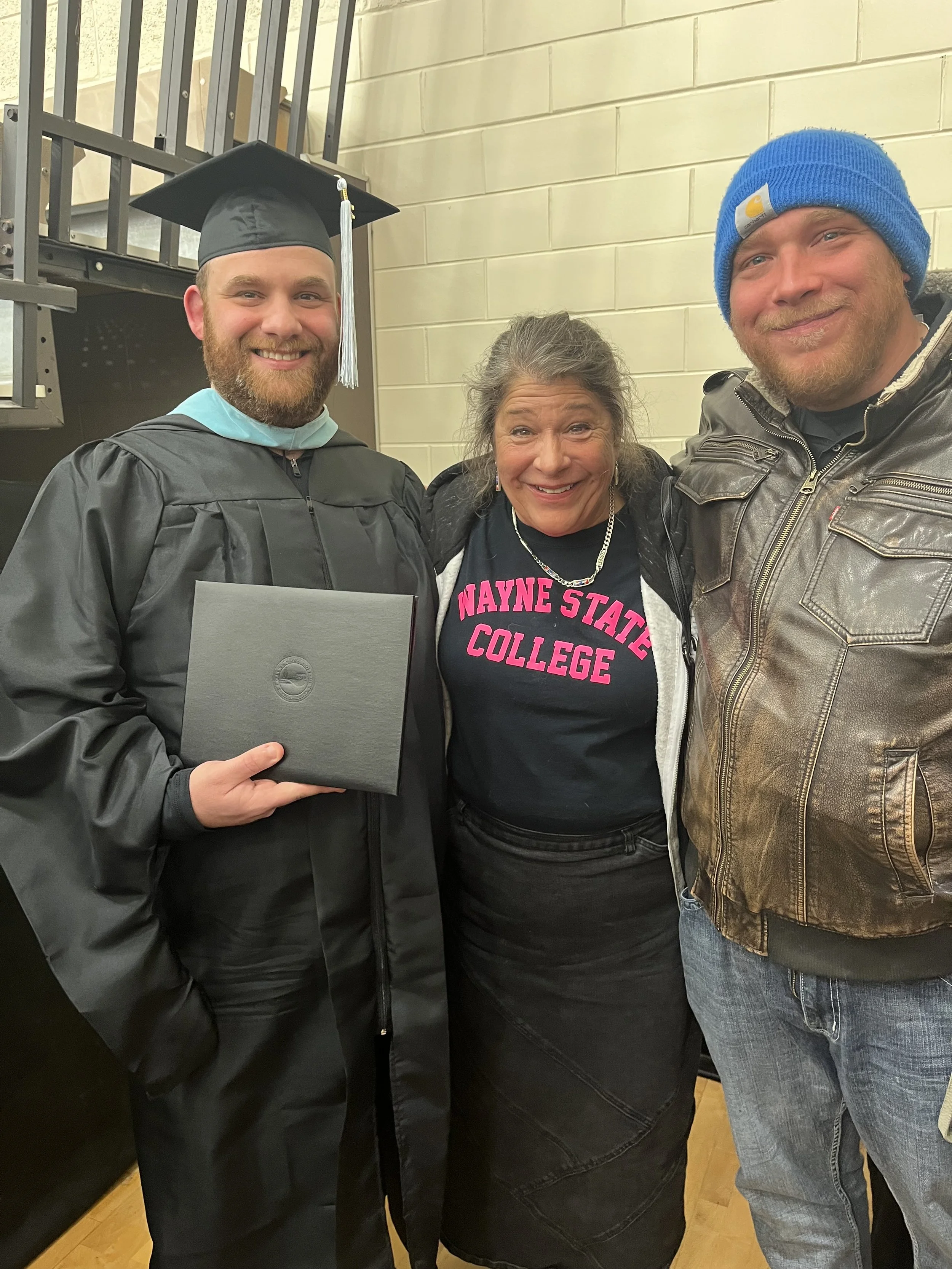
Chris’ son Matthew receives his master’s degree in 2024.
Chris is a Papillion resident who has spent more than 30 years helping a few small nonprofits to grow by using her teaching degree to uplift their stories. Her work has included the Eastern Nebraska 4-H Center, the Nebraska Lifespan Respite Network, the Brain Injury Trust Fund, and now the Nebraskans for Alternatives to the Death Penalty. Chris has a story to share.
“During my career, I found that Margaret Mead’s line, ‘Never doubt that a small group of thoughtful, committed citizens can change the world; indeed, it’s the only thing
that ever has,’ is the reason for my pride in sharing peoples’ stories. To remember our successes, overcoming together what seem to be insurmountable challenges,” Chris said.
Due to Chris’ career as a community advocate for people with disabilities and her own family experiences, she says she has benefited from the incredible advances in our medical system, but that in the United States, we are living both longer and sicker lives. Chris also explained how she has seen that the increasing cost of care has resulted in a loss of choice, dignity and independence for those unable to afford innovative care.
When it comes to the wealth and prosperity of the disabled community, Chris has learned many lessons about systems in the United States that hurt people with disabilities. In her eyes, it is an injustice that employers will not give up profit in order to provide workers with disabilities the security of a living wage, affordable healthcare, and retirement benefits.
“This results in increased wealth for a few, as workers still struggle to be hired for jobs with benefits, or to be respected and protected in the workplace,” Chris said.
Chris was married for 36 years to Denny, a Marine who served in Desert Storm. After his service, he became a claims adjuster, setting aside his creative dreams to provide health insurance for their family.
“Denny was a writer and self-taught musician on any instrument with strings, but prior to our marriage, he followed our fathers’ career paths for the benefits and financial security offered through military service,” Chris said.
As a young mom, Chris’ low wages—typically without benefits at small nonprofits—worked for their family. They were able to attain the middle-class dream as Denny’s sacrifices as a claims adjuster meant financial growth opportunities with good health insurance. Despite being a dual-income household, Chris recalls feeling like they were always one paycheck away from homelessness.
“There was always the fear of losing everything if Denny was unemployed for more than a month,” Chris said.
In hindsight, Denny led a life of quiet desperation. He passed away at age 59.
“As our oldest son said after his father’s death, ‘My dad, the best guitar player no one got to hear.’ For my husband and friend of more than 40 years, the one-word adjective I chose to have inscribed on his plaque at the Veteran’s cemetery, wasn’t Marine or Claims Adjuster, but Poet.”
Chris and Denny’s dreams were not for their children to become mega millionaires, but to be more likely to afford a secure middle-class life. Instead, to start their own families, Chris said that their children need to save enough to cover high insurance deductibles. Not only do her kids stress about the health of newborns, but they worry about how they are going to afford the unsustainable cost of raising children.
Since her husband's passing, Chris has gone five years without health insurance. Chris sees our healthcare system as a failure for making low monthly expenses come with higher deductibles and poor coverage for follow-up care.
“Healthcare doesn’t seem like a good investment. As Hemingway asked, ‘How did you go bankrupt?’ Gradually, and then all at once,” Chris said.
Chris finds ignorance bliss as she has no diagnosed chronic conditions or symptoms requiring prescriptions. Her last doctor’s appointment was prior to her husband’s health decline and loss of employment.
“My greatest fear? Our children sacrificing their quality of life, to care for us,” Chris said. “With the rising cost of everything, especially healthcare, saving for our sons’ financial futures as past generations did for us is an American dream fewer Nebraskans can afford.”
Chris is able to cover her monthly expenses with a part-time, capped income so she may collect Denny’s Social Security.
“My parents are healthy and in their 80’s, all thanks to the quality of ongoing care covered by my dad’s military retirement and Medicare. They continue to help me afford any unexpected or special costs,” Chris said.
As she approaches Medicare eligibility at age 65, she hopes the program will still be there when she needs it. Chris said that a good start to improving our country is investing in the middle-class by expanding social safety nets, including Medicare.
“We must elect leaders with integrity and experience in government contracts and nonprofit services, who will reject personal gains and privileges for themselves, their families, or sponsors,” Chris said. “It is important to restore what President Lincoln mandated prior to the Civil War, ‘The legitimate object of government is to do for a community of people whatever they need to have done, but cannot do, at all, or cannot, so well do, for themselves—in their separate, and individual capacities.’ We overcame the barriers to success before, it only takes teamwork to do it again.”